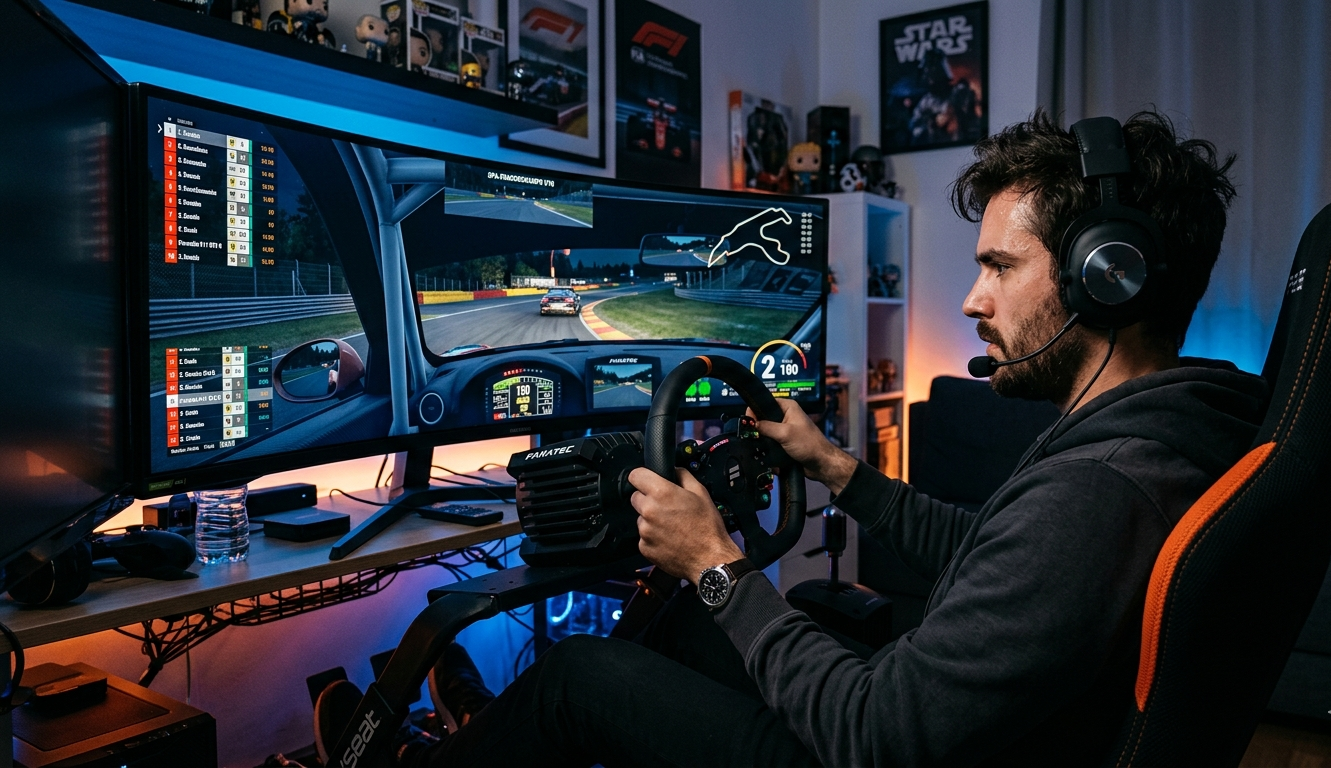
If you’ve ever sat down to play a “quick” simulation game and suddenly realized hours have passed, you’re not alone. There’s something uniquely captivating about simulation games—whether you’re building cities, managing farms, running businesses, or even living out virtual lives. Unlike fast-paced action games, simulation games move at your pace, yet they somehow keep pulling you back in. So what exactly makes them so addictive?
Let’s break it down.
A World You Can Control (Finally)
One of the biggest appeals of simulation games is control. In real life, things are messy and unpredictable. But in a simulation game, you’re the decision-maker. You decide how your city grows, how your character lives, or how your business runs.
That sense of control is deeply satisfying. You’re not reacting—you’re creating. Every choice feels meaningful, even if it’s something as simple as placing a building or organizing a virtual room. It gives you a sense of ownership that’s hard to replicate in other types of games.
Progress That Feels Real
Simulation games are masters at making progress feel tangible. You start small—maybe with a tiny farm, a basic shop, or an empty plot of land—and slowly build something bigger.
This gradual progression taps into a powerful psychological loop:
- You make a decision
- You see the result
- You improve your strategy
- You repeat
Over time, your virtual world evolves, and that evolution feels earned. Even small achievements—like upgrading equipment or expanding your space—feel rewarding because they’re tied to your effort and planning.
The “Just One More Thing” Effect
Simulation games are especially good at encouraging the “just one more thing” mindset.
You tell yourself:
“I’ll just finish this task.”
But then:
- A new upgrade unlocks
- A new goal appears
- Something needs your attention
And suddenly, you’re pulled into another cycle. These games are designed around interconnected systems, where one action leads naturally to another. There’s always something waiting just around the corner, which makes it hard to stop at a clean break.
Low Pressure, High Engagement
Unlike competitive or high-stakes games, simulation games are usually low pressure. There’s no timer forcing you to act quickly, no opponent waiting to defeat you, and often no “game over” in the traditional sense.
This creates a relaxed environment where you can:
- Play at your own pace
- Experiment without fear of failure
- Take breaks without losing progress
Ironically, this low-pressure environment makes it easier to stay engaged for longer periods. You don’t feel stressed—you feel comfortable. And comfort is a powerful reason to keep playing.
Creativity Without Limits
Simulation games often double as creative playgrounds. You’re not just completing tasks—you’re designing, building, and experimenting.
- Want to create a perfectly organized city? Go ahead.
- Prefer a chaotic, unconventional layout? That works too.
There’s no single “correct” way to play, which makes the experience feel personal. Every player’s world ends up looking different, reflecting their own style and decisions. This freedom keeps the experience fresh. Even after hours of gameplay, there’s always a new idea to try or a different approach to explore.
Real-Life Reflection (Without Real-Life Consequences)
Many simulation games mirror real-life systems—economics, relationships, time management—but in a simplified and safer way.
You get to:
- Manage resources without real financial risk
- Experiment with decisions without lasting consequences
- Learn from mistakes without pressure
This creates a unique balance. The game feels realistic enough to be meaningful, but forgiving enough to stay enjoyable.
It’s a space where curiosity is rewarded, not punished.
A Sense of Routine and Comfort
Simulation games often involve repeating tasks—planting crops, collecting resources, managing schedules. While repetition might sound boring, it actually creates a sense of routine.
And routine can be comforting.
In a fast-moving, unpredictable world, having a virtual space where things follow a pattern can feel calming. You know what to expect, and that familiarity becomes part of the appeal.
It’s similar to why people enjoy daily habits in real life—the structure provides a sense of stability.
Endless Goals, Endless Possibilities
Another reason simulation games are hard to put down is that they rarely have a clear “end.”
Instead of a final mission or ending, they offer:
- Open-ended gameplay
- Continuous upgrades
- Long-term goals
There’s always something left to do. Even when you complete one objective, another naturally takes its place. This sense of endless possibility keeps players engaged without feeling forced. You’re not rushing to finish—you’re choosing to continue.
Personal Investment Over Time
The longer you play a simulation game, the more invested you become. Your virtual world starts to feel like something you’ve built—not just something you’ve played.
You remember:
- How you started
- The challenges you overcame
- The decisions that shaped your progress
This emotional connection makes it harder to walk away. It’s not just a game anymore—it’s your game.
Finding Balance in the Fun
While simulation games can be incredibly engaging, it’s important to enjoy them in a balanced way. Their design naturally encourages long sessions, so being mindful of your time can help keep the experience positive.
A few simple habits can help:
- Set time limits before you start playing
- Take short breaks between sessions
- Treat gaming as a reward, not a default activity
This way, you can enjoy the immersive experience without letting it take over your routine.
Final Thoughts
Simulation games are surprisingly addictive not because they overwhelm you, but because they gently pull you in. They combine control, creativity, progression, and comfort into a seamless experience that feels both engaging and relaxing. They don’t demand your attention—they earn it. And maybe that’s the real reason they’re so hard to put down.