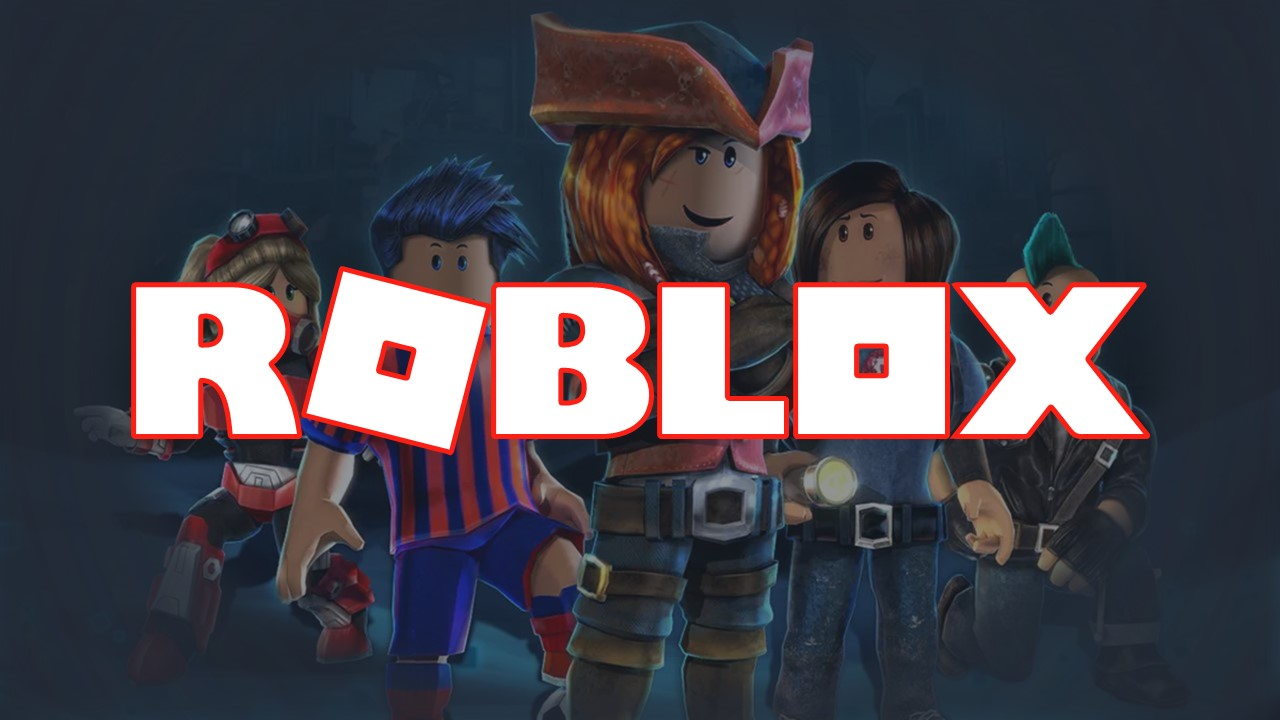
At first glance, Robux looks like just another in-game currency—something you use to buy items, unlock features, or customize your avatar. But if you’ve spent enough time on Roblox, you already know it’s more than that. Robux quietly shapes how players see each other, how they interact, and even how they feel about themselves. It’s not just about what you buy, it’s about what it represents.
It Starts With the Avatar
The first thing anyone notices in Roblox isn’t your gameplay, it’s your avatar.
Before you say a word, your avatar is already telling a story. Whether it’s a simple outfit or a highly customized look, people form impressions instantly.
- A basic avatar often gets seen as “new” or “free player”
- A detailed, stylish avatar signals experience or investment
- Rare or limited items instantly grab attention
This creates an unspoken system where appearance becomes identity. You’re not just a player—you’re how your avatar looks.
And that’s where Robux comes in. Because the more Robux you have, the more control you have over how you present yourself.
The Rise of “Flex Culture”
If you’ve ever seen someone wearing expensive or rare items, you’ve probably noticed how much attention they get.
That’s what players call “flexing.”
It’s not always about showing off in an obvious way, it can be subtle. A rare accessory. A limited item. A perfectly styled avatar. These things signal something without needing to say it directly.
- “I’ve been playing for a long time”
- “I have access to exclusive items”
- “I know what I’m doing here”
Over time, this turns Robux into a status symbol.
Players don’t just buy items because they like them, they buy them because of what those items represent.
How Players Treat Each Other Differently
Here’s something most players notice but rarely talk about:
People are treated differently based on how their avatar looks.
It’s subtle, but it happens all the time.
- Players with high-value avatars often get more attention
- They’re more likely to be included in conversations or groups
- They may even be seen as more “experienced” or “important”
On the other hand:
- Players with default or simple avatars can be ignored
- Sometimes they’re assumed to be beginners
- They may have to “prove themselves” more
This isn’t always intentional, but it shows how Robux quietly influences social behavior.
Exclusivity Creates Value
One of the biggest reasons Robux feels like status is because of limited and exclusive items.
Not everything in Roblox is available to everyone at all times. Some items are:
- Limited-time only
- Released in small quantities
- Tradeable and increasing in value over time
This creates a sense of rarity. And rarity naturally creates status.
When someone owns something that others can’t easily get, it changes how they’re perceived.
It’s no longer just an item, it becomes a symbol of access, timing, or even luck.
The Pressure to “Keep Up”
Even if you don’t care about status, it’s hard to completely ignore it.
When you see others with detailed avatars, rare items, or premium features, it can create a quiet pressure to keep up.
You might start thinking:
- “My avatar looks too basic”
- “I should upgrade something”
- “Everyone else seems more put together”
This is how Robux moves beyond currency, it starts influencing self-perception.
Players don’t just want to enjoy the game, they want to feel like they belong in it.
Robux and Identity
Over time, your avatar becomes more than just a character, it becomes part of your identity inside the game.
And Robux gives you the tools to shape that identity.
- Want to look bold and confident? There’s an outfit for that
- Want to look mysterious or unique? You can build that too
- Want to stand out? Robux gives you more ways to do it
This is why players often feel connected to their avatars. It’s not just about appearance—it’s about expression.
And the more options you have (which usually comes from Robux), the more control you have over that expression.
It’s Not Just About Look: It’s About Experience
Robux doesn’t only affect how you look, it also affects how you experience the game.
Players with Robux often have access to:
- Game passes that unlock special abilities
- Exclusive areas or features
- Faster progression in certain games
This can create a different kind of status, not just visual, but functional.
- You can do more
- You can access more
- You can experience more
And that naturally changes how others see you within the game.
The Invisible Divide: Free vs Paid Players
Even though everyone is playing the same game, the experience can feel very different depending on whether you use Robux or not.
This creates an invisible divide:
Free players:
- Limited customization
- Slower progression in some games
- Fewer exclusive features
Robux users:
- More control over appearance
- Access to premium content
- Greater flexibility in gameplay
This doesn’t mean one is better than the other, but it does shape how players interact and perceive each other.
Why It Feels So Real
You might wonder, why does any of this even matter? It’s just a game, right?
But the truth is, the feelings are real.
Robux connects to things that matter outside the game too:
- Recognition
- Belonging
- Identity
- Expression
When those things are involved, it stops feeling like “just a currency.”
It starts feeling like a way to be seen.
The Good Side of It
It’s not all negative. In many ways, Robux also adds value to the experience.
- It allows creativity and customization
- It gives players goals to work toward
- It supports creators who build games and items
For many players, Robux isn’t about status, it’s about making the game more personal and enjoyable.
The Part Most People Don’t Talk About
At the end of the day, the most interesting thing about Robux isn’t what it buys—it’s what it represents.
It represents:
- Effort
- Access
- Identity
- Perception
And once something starts representing those things, it naturally becomes more than just currency.
Final Thoughts
Robux may look like a simple in-game currency, but it quietly shapes the way players see themselves and each other. From avatars to interactions, from exclusivity to expression, it influences more than just what you can buy, it influences how you’re perceived. But the important thing to remember is this: while Robux can change how you’re seen, it doesn’t define your experience entirely. Because at the end of the day, how you play and connect still matters more than what you own.