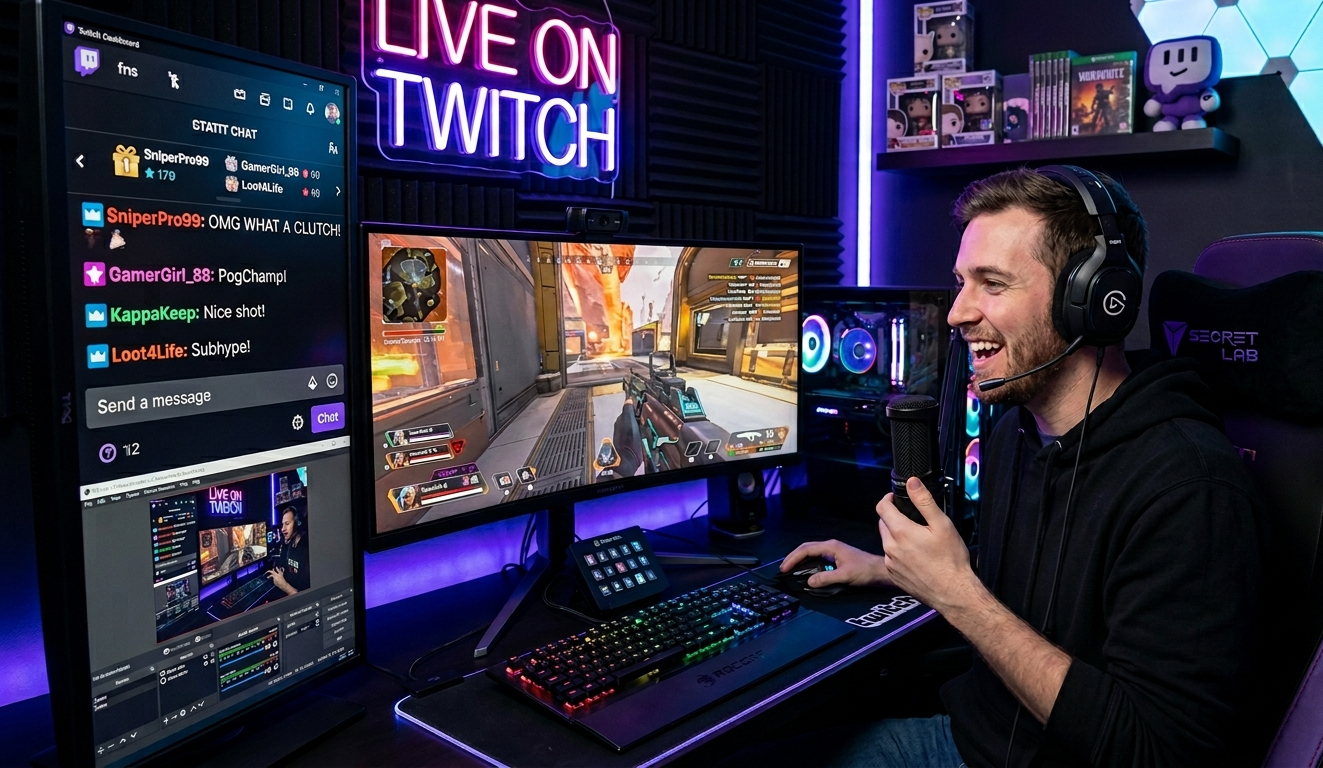
Not too long ago, gaming was mostly a private experience. You played alone or with a few friends, and that was it. Fast forward to today, and gaming has become something you can watch, share, and even build a career around—thanks to streaming.
Platforms like Twitch and YouTube have transformed online gaming from a personal hobby into a global, interactive spectacle. Millions of people now tune in daily to watch others play, learn strategies, or simply enjoy the entertainment.
So how exactly has streaming reshaped the online gaming industry? Let’s break it down.
Gaming Is No Longer Just About Playing
One of the biggest shifts streaming introduced is simple but powerful: you don’t have to play a game to enjoy it anymore—you can watch it.
This has opened gaming to a much wider audience. People who may not have the time, skill, or resources to play certain games can still be part of the experience by watching streamers. It’s similar to watching sports. You don’t have to be on the field to enjoy the game—you just need a good seat and an engaging player to watch.
Turning Gamers Into Entertainers
Streaming has blurred the line between gamer and entertainer. Today’s streamers aren’t just playing—they’re performing.
Successful streamers:
- Interact with their audience in real time
- Add humor, commentary, and personality
- Build communities around their content
This shift has created a new kind of digital personality—one that blends gaming skills with communication and entertainment.
Another reason this shift stands out is the rise of well-known streaming personalities who have turned gameplay into a full-scale entertainment experience. Creators like Ninja, PewDiePie, and Pokimane have built massive audiences by combining skill with personality, humor, and consistent interaction.
A New Path for Careers
Streaming has also opened up new career opportunities within the gaming world.
While not everyone becomes a full-time streamer, the industry now supports roles like:
- Content creators
- Esports commentators
- Gaming influencers
- Community managers
For some, streaming starts as a hobby and gradually grows into something more serious. It’s not guaranteed or easy, but it’s now a visible and realistic path compared to the past.
Games Are Being Designed With Streaming in Mind
Game developers have noticed the impact of streaming—and they’re adapting.
Modern online games are often designed to be:
- Fun to watch, not just play
- Easy to understand for viewers
- Filled with shareable moments
Features like spectator modes, live events, and interactive elements are becoming more common because they enhance the viewing experience.
In some cases, a game’s success is heavily influenced by how well it performs on streaming platforms.
Instant Exposure for New Games
Before streaming, discovering new games relied heavily on advertisements, reviews, or word of mouth. Now, one viral stream can change everything.
When a popular streamer plays a game:
- Thousands (or millions) of viewers see it instantly
- Interest spreads quickly
- Player numbers can surge overnight
This has made streaming one of the most powerful marketing tools in the gaming industry—without feeling like traditional advertising.
Building Communities Around Games
Streaming has turned gaming into a shared social experience.
Viewers don’t just watch—they:
- Chat with each other
- React in real time
- Become part of a community
Over time, these communities grow into loyal groups centered around a streamer or a specific game.
This sense of belonging is a huge part of why streaming is so popular. It’s not just about the game—it’s about the people watching it together.
Learning Through Watching
Streaming has also changed how players improve their skills.
Instead of relying only on practice, players can now:
- Watch experienced gamers
- Learn strategies and techniques
- Understand game mechanics more deeply
This has made learning more accessible. Whether you’re a beginner or experienced player, there’s always something new to pick up just by watching others.
The Rise of Live Interaction
One of the most unique aspects of streaming is real-time interaction.
Unlike pre-recorded videos, live streams allow:
- Immediate feedback from viewers
- Direct communication between streamer and audience
- A sense of unpredictability and spontaneity
This interaction makes the experience feel more personal and engaging. You’re not just watching—you’re participating.
Esports and Streaming: A Perfect Match
Streaming has played a major role in the growth of competitive gaming.
Tournaments and esports events are now broadcast live to global audiences, making them more accessible than ever before. Fans can follow matches, support teams, and stay connected to the competitive scene in real time.
This has helped esports grow from a niche interest into a widely recognized part of the gaming world.
Challenges That Come With Growth
While streaming has brought many positives, it also comes with challenges.
Some of these include:
- Pressure on streamers to stay consistent and entertaining
- Managing online behavior and community standards
- Balancing screen time and personal well-being
Like any growing industry, it requires awareness and balance to keep things healthy and sustainable.
A More Connected Gaming World
Streaming has transformed gaming into a shared, interactive experience where players and viewers connect like never before.
- Players and viewers engage in real time, turning solo gameplay into a shared, interactive social experience online
- Global audiences connect instantly, breaking geographical barriers and creating diverse gaming communities across different cultures and backgrounds
- Streamers act as community hubs, bringing together people with shared interests, humor, and passion for specific games
- Live chats and reactions create a sense of belonging, making viewers feel involved rather than just passive spectators
- Collaborative events and multiplayer streams encourage teamwork, communication, and stronger bonds among players and audiences worldwide
Streaming continues to bring people closer, making gaming less about isolation and more about connection, community, and shared moments.
Final Thoughts
Streaming hasn’t just changed how games are played—it’s changed how they’re experienced. By turning gameplay into entertainment, creating new opportunities, and building global communities, streaming has reshaped the online gaming industry in ways that continue to evolve.
And as technology and creativity keep moving forward, one thing is clear: gaming is no longer just something you do—it’s something you watch, share, and connect through.